


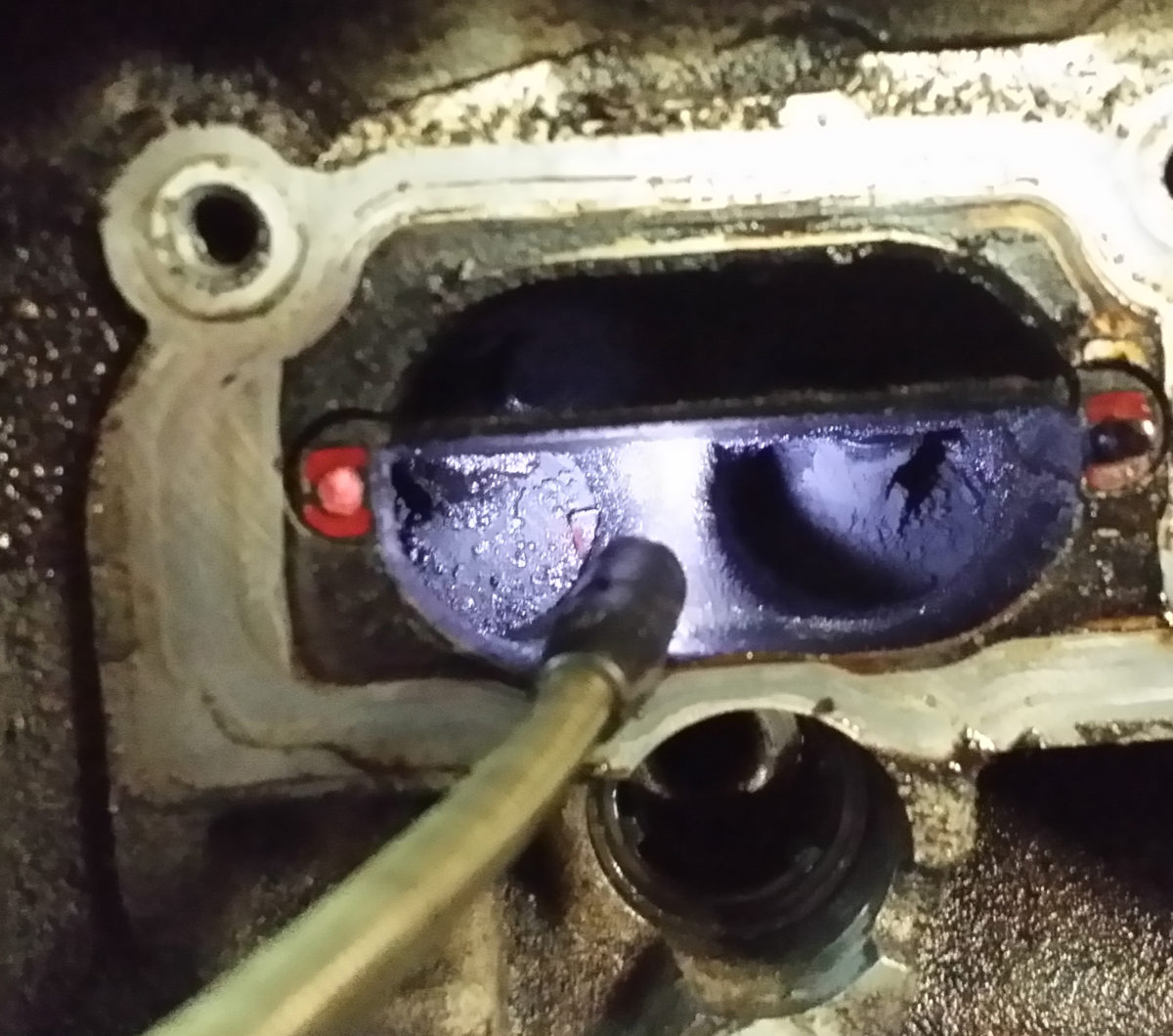
What are carbon deposits? Carbon deposits are a naturally occurring event in today’s and yesteryear’s engines. The way carbon forms is after the engine shuts off, residual fuel vapors are left after the engine is shut off in the combustion chamber, in the intake and exhaust manifolds. They begin to stick to the walls of these parts. As the vapors dry, they build and solidify. These deposits continue absorbing fuel and vapors, continuing to adhere to these parts.
Why should you care?
1] As your engine is running, those carbon deposits rob your engine of some of the fuel intended for the combustion chamber. This is where the power of the engine is developed.
2] The carbon deposits, when severe, can inhibit air flow to the combustion chamber. This reduces engine power and efficiency.
3] As deposits form in the combustion chamber, they can cause pre-ignition. You may recognize this as engine knock. But you will not notice the knock because your engine’s computer system detects the knocking and retards the timing and may cut fuel. This starts a chain of events:
A] When the ignition timing is retarded, performance and fuel economy drop.
B] Combustion temperature climbs and nitrogen oxide gas forms aka smog.
C] When the timing is retarded, the catalytic converter gets abused, shortening its life.
D] Deposits are formed at an accelerated rate.
4] Carbon deposits can cause surging, stalling and poor fuel economy. This leads to failure of ignition system and catalytic converters.
5] In the end, it’s your wallet and the investment in your vehicle that suffer.
Autobahn Car Repair recommends intake cleaning and decarbonization on most vehicles every 20,000 to 30,000 miles. We recommend Fuel Injection cleanings every 30,000 to 50,000 miles.
Mar 25th, 2018 Ron Guarino, Autobahn Car Repair
